Chinese Zodiac Signs Explained
The Chinese zodiac is one of the most recognized parts of East Asian culture, but it is often simplified into a list of cute animals. In traditional practice, each sign carries a symbolic temperament, a rhythm of behavior, and a relationship to the wider cycle of seasons, elements, and human fate. This guide gives an English-language overview that is clear, respectful, and useful for people discovering the tradition for the first time.
Best First Stops
Most readers arrive here with one of four goals: confirm the exact sign from a birthday, open a deeper profile, compare two people, or understand the compatibility rules behind a result.
What The Zodiac Actually Represents
The twelve animals of the Chinese zodiac are used as branch markers in a repeating cycle. A person is often associated with the sign of the lunar year in which they were born, but traditional reading never stops there. Classical Chinese astrology also considers the month, day, and even the hour branch. That is why the zodiac has survived for centuries: it is not just a party trick about birth years, but a symbolic language for character, timing, affinity, and contrast.
For English-speaking readers, the most accessible entry point is the annual sign. Even at that level, the zodiac gives a surprisingly rich framework. Rat energy is clever and adaptive. Ox energy is steady and durable. Tiger energy is bold and instinctive. Each sign becomes a shorthand for strengths, pressure points, and social style.
The 12 Signs At A Glance
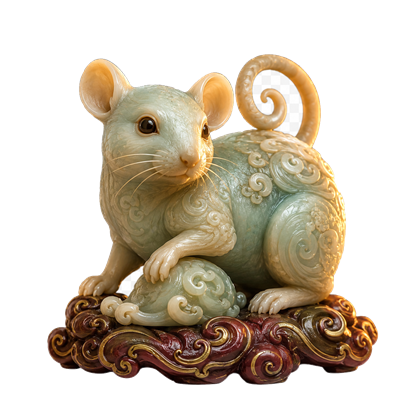
Rat
Sharp, strategic, socially aware, and quick to adapt. Rat symbolism is tied to intelligence, survival, and resourcefulness.
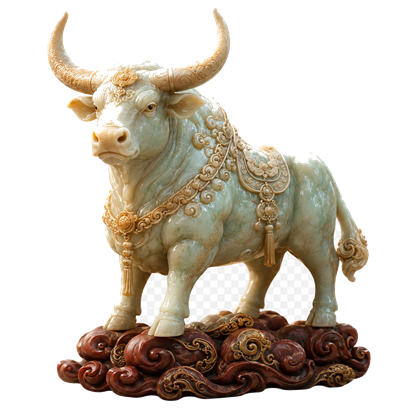
Ox
Patient, disciplined, and dependable. Ox energy values endurance, order, and work that compounds over time.
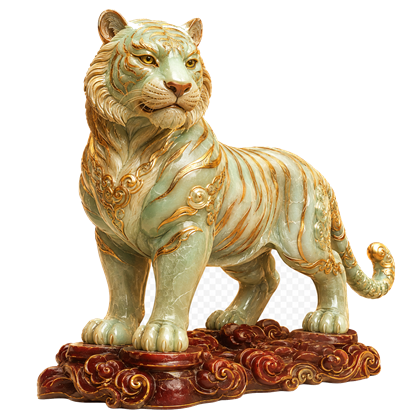
Tiger
Fearless, magnetic, and emotionally intense. Tiger is associated with courage, passion, and movement.
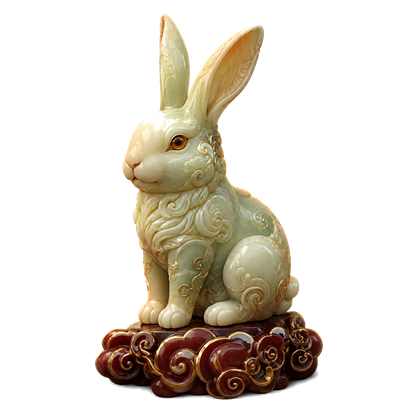
Rabbit
Gentle, refined, diplomatic, and aesthetically sensitive. Rabbit energy protects harmony and subtle emotional balance.
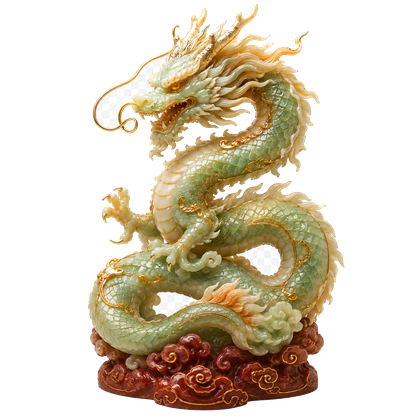
Dragon
Charismatic, visionary, and proud. Dragon carries prestige, force, and a sense of destiny larger than ordinary life.
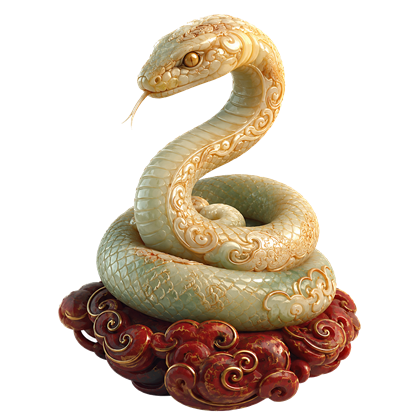
Snake
Private, intuitive, and mentally sharp. Snake symbolism often points to elegance, strategy, and inner perception.
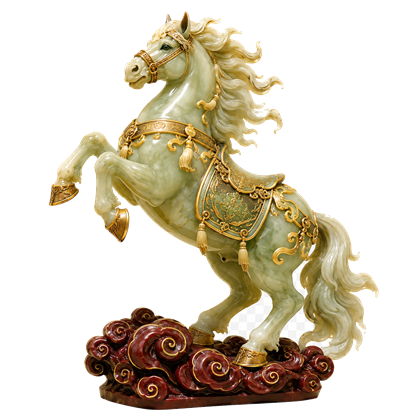
Horse
Independent, energetic, and freedom-loving. Horse energy wants motion, expression, and room to breathe.
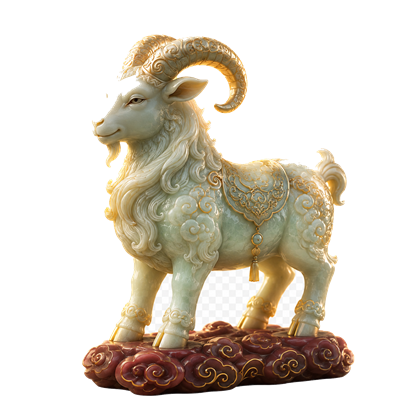
Goat
Artistic, tender, and emotionally rich. Goat is linked to imagination, beauty, and a deep need for comfort.
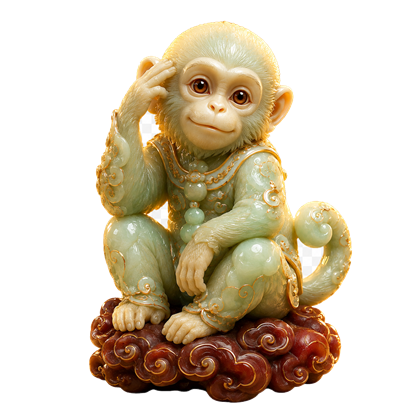
Monkey
Inventive, playful, and mentally agile. Monkey represents wit, improvisation, and social cleverness.
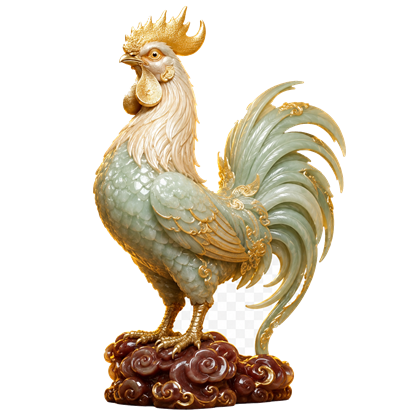
Rooster
Precise, outspoken, and image-conscious. Rooster energy values standards, order, and visible competence.
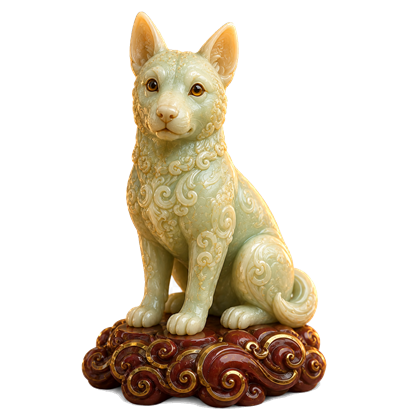
Dog
Loyal, ethical, and protective. Dog symbolism centers on trust, justice, and steadfast commitment.
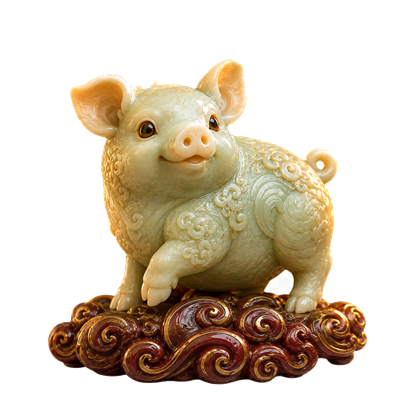
Pig
Warm, generous, and pleasure-oriented. Pig energy is associated with abundance, sincerity, and emotional ease.
How Sign Years Work
The Chinese zodiac year does not begin on January 1. It follows the lunar calendar, so the new zodiac sign begins around Lunar New Year, usually sometime between late January and mid February. This detail matters. Someone born in January 1998, for example, may still belong to the previous zodiac sign if Lunar New Year had not arrived yet.
That is why a proper zodiac calculator uses the lunar calendar rather than the Western calendar alone. It is also why cultural accuracy matters when building tools for a global audience: people quickly notice when a "Chinese zodiac" site ignores the lunar boundary.
Why Personality Descriptions Feel Familiar
Traditional sign descriptions endure because they describe patterns people actually recognize. A Tiger may be praised for courage and criticized for impatience. A Rabbit may be admired for emotional intelligence yet struggle with direct confrontation. These are not rigid verdicts. In the original cultural context, they are tendencies, archetypes, and relational clues rather than absolute fate.
That balance is important for modern readers. The zodiac becomes most meaningful when used as a mirror for reflection, compatibility, and storytelling, not as a cage.
Next Reading Paths
If you are new to the tradition, the most useful next steps are to learn how compatibility is judged, how the five elements modify each sign, and how classic pairings like Six Harmonies and Six Clashes are interpreted. Those layers make the zodiac feel much less random and much more coherent.